
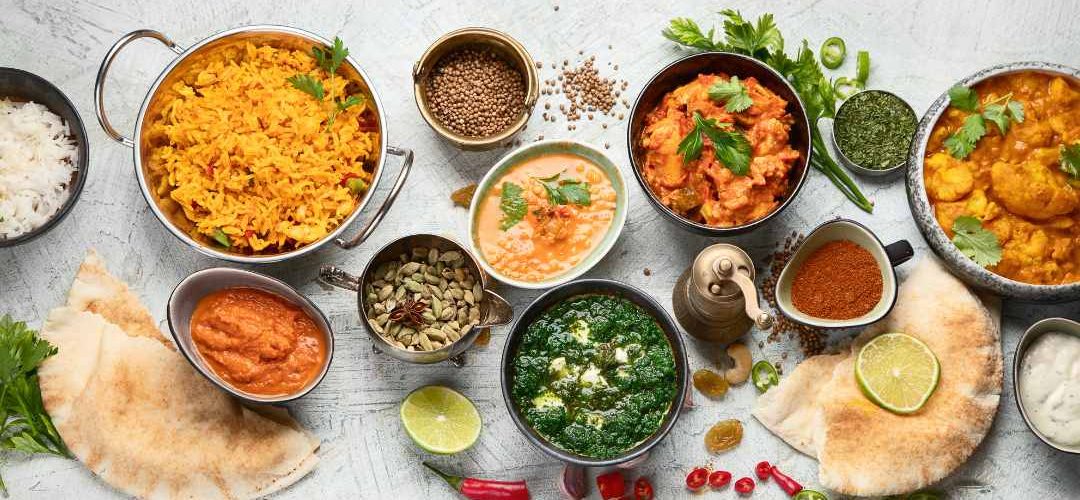
A well-stocked spice cabinet is the single most powerful tool in a home cook’s arsenal. With the right combination of spices, you can cook convincingly in almost any cuisine and transform even the most humble ingredients into something memorable.
The Foundation 12
Start with these twelve spices and you will be equipped to cook confidently across most of the world’s major cuisines:
- Cumin — earthy and warm, essential for Indian, Mexican, and Middle Eastern cooking
- Smoked paprika — sweet, rich, and smoky; transforms simple chicken and potato dishes
- Turmeric — golden and slightly bitter; a cornerstone of South Asian and North African cooking
- Coriander (ground) — citrusy and floral; pairs beautifully with cumin
- Cinnamon — use in both sweet and savoury applications (Moroccan tagines, for instance)
- Cayenne — pure heat; add gradually and taste as you go
- Garam masala — a complex blend that does the heavy lifting in many Indian dishes
- Oregano — robust and herbal; essential for Italian and Greek cooking
- Bay leaves — understated but irreplaceable in braises, stocks, and soups
- Whole black peppercorns — always buy whole and grind fresh
- Cardamom — floral and complex; essential in chai, rice dishes, and Scandinavian baking
- Chili flakes — versatile heat with more character than cayenne
Storage Rules
Spices degrade fastest in the presence of heat, light, and moisture. Store them in airtight containers away from the stove. Ground spices are best used within 12 months; whole spices within 24 months.
The best way to test a spice’s potency: rub a pinch between your palms and smell. If the aroma is faint, it’s time to replace it.
Blooming Your Spices
Always toast ground spices in a dry pan or in hot oil before adding liquids. Thirty seconds over medium heat transforms raw spice powder into something complex and fragrant. This single technique will improve your cooking immediately.
