

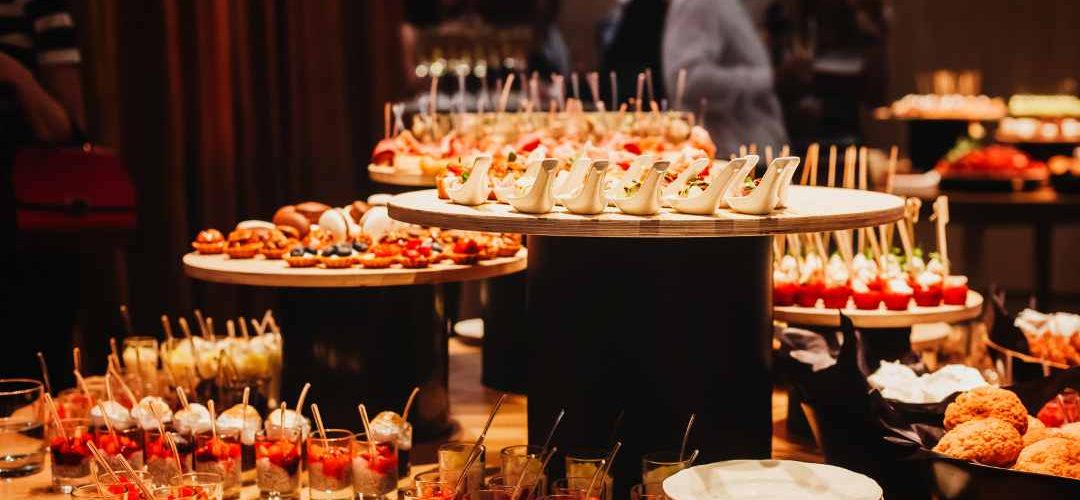
Taste and appearance are more closely linked than we often realise. Food that looks beautiful tastes better — not because its flavour changes, but because our expectations and attention shift. Plating is not vanity; it is hospitality.
Start with a Warm Plate
Nothing undermines a beautifully plated dish faster than it going cold in seconds because the plate was cold. Warm plates in a low oven (60°C) for 10 minutes before service, or simply run them under hot water and dry.
The Rule of Three
Odd numbers of elements on a plate look more natural and dynamic than even numbers. Three quenelles of potato, five prawns, seven cherry tomatoes. Our eyes find odd groupings more interesting and less rigid.
The Clock Method
Think of your plate as a clock. The protein sits at 6 o’clock, facing the diner. Starchy sides at 10 o’clock, vegetables at 2 o’clock. This classic arrangement creates an immediately readable, balanced composition.
Sauces: Pools, Swooshes, and Dots
The pool: Spoon sauce directly onto the plate first, then place food on top. Clean and classic.
The swoosh: Place a spoonful of puree or sauce on the plate, then drag the back of a spoon through it at an angle. Dynamic and modern.
The dot: Use a squeeze bottle to place precise dots of contrasting sauce around the plate. Adds precision and colour.
Wipe your plate rim. Every single time. A clean rim signals confidence and care — and it takes two seconds.
The Power of Height
Plating flat is safe but rarely interesting. Lean things against each other, build a small tower of ingredients, fold your protein slightly. Height creates drama and shows intention.
Garnish Rules
Garnishes must be edible. Garnishes must complement the dish. And garnishes must be placed with intention, not scattered randomly. A single sprig of fresh herb placed at the exact apex of the dish is worth a hundred randomly scattered ones.
