

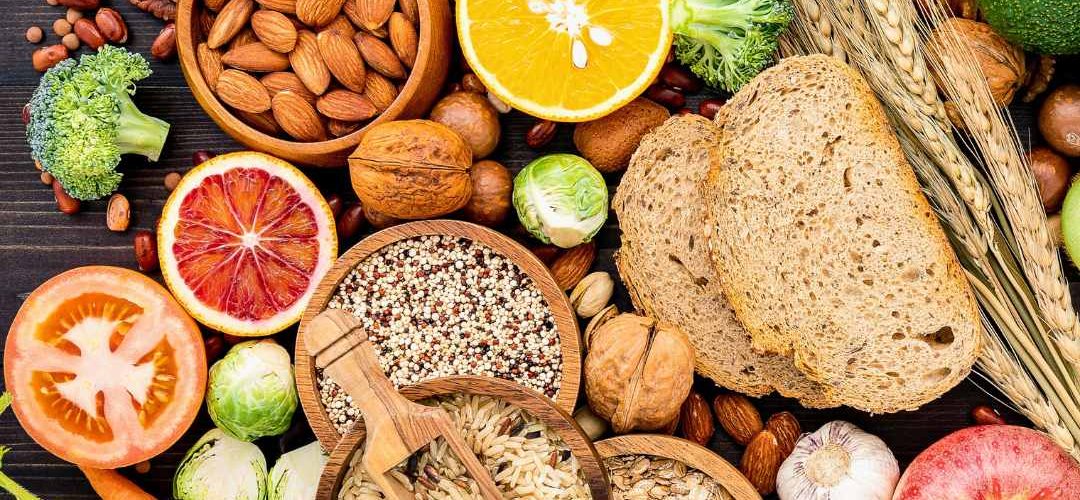
There is a reason why a July tomato eaten still warm from the vine tastes incomparably better than one bought in December. Flavour is not fixed — it is a product of time, place, and the particular moment in a plant’s life cycle when it was harvested.
The Science of Peak Flavour
Fruits and vegetables are at their nutritional and flavour peak when harvested at full maturity, in their natural season. Out-of-season produce is typically harvested early to survive long-distance transport, then artificially ripened with ethylene gas. The result looks right but lacks the complexity of flavour that develops only through natural ripening on the plant.
A Seasonal Eating Calendar
Spring: asparagus, peas, spring onions, radishes, new potatoes, watercress, morel mushrooms, lamb
Summer: tomatoes, courgettes, aubergines, peppers, cucumber, corn, stone fruit (peaches, nectarines, cherries), fresh herbs, shellfish
Autumn: squash, pumpkin, root vegetables, apples, pears, wild mushrooms, game, venison, quince
Winter: cavolo nero, Brussels sprouts, citrus, celeriac, parsnips, leeks, Jerusalem artichokes, stored apples, blood oranges
The Economic Argument
Seasonal produce is almost always cheaper. When the market is flooded with ripe tomatoes in August, prices fall. When you are buying Spanish strawberries flown in during February, you are paying for transport, refrigeration, and the supply chain required to get them to you out of season.
Cooking seasonally is not a restriction — it is a creative prompt. Each new season brings a fresh palette of ingredients to work with.
How to Start
Visit a farmers market rather than a supermarket. Talk to growers about what is at its best that week. Sign up for a veg box scheme. Build meals around what is available rather than working backwards from a fixed recipe. This simple shift in approach will transform your cooking — and your relationship with food.
